Eyewear Certifications & Compliance
Build your eyewear sourcing plan around the market where you will sell. Define the product category, agree the relevant testing and confirm that documentation matches the frames, lenses and claims in your order.
Ask our team which reports and documents are available for your selected model and which additional evaluations may be needed.
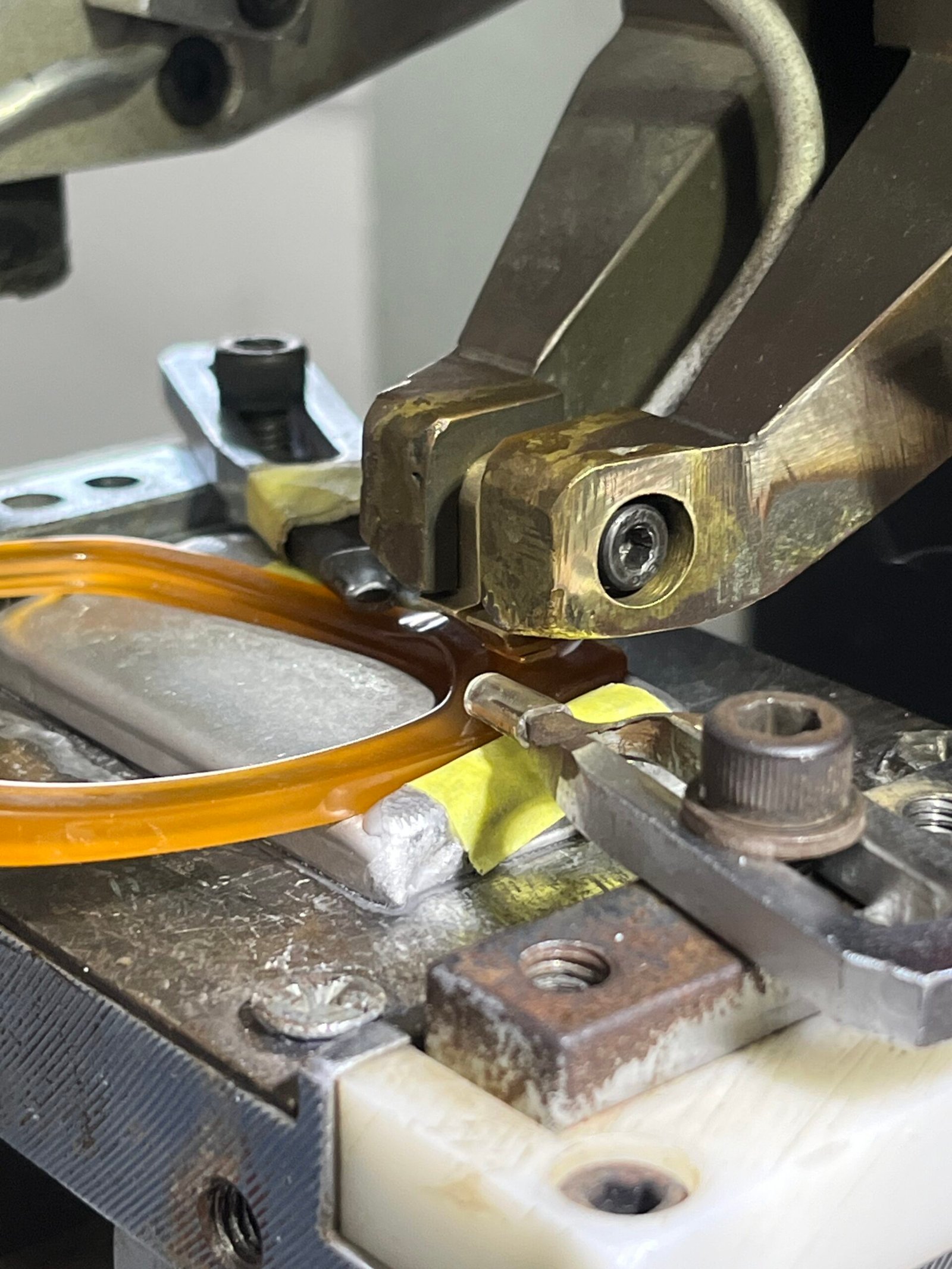
Compliance Starts with Product Classification
Sunglasses, optical frames, finished prescription eyewear and protective eyewear can follow different regulatory routes. Confirm the intended use and destination before choosing a test plan.
Define the Product
Identify whether you are sourcing general-use sunglasses, empty optical frames or finished eyewear. Protective or specialist use needs a separate assessment.
Define the Market
Tell us where the product will be placed on the market and who will act as manufacturer, brand owner and importer for the applicable requirements.
Define the Claims
Specify UV, polarization, optical and material claims before sampling. Product descriptions should reflect the evidence for the exact configuration.
Eyewear Compliance by Market
Use this as a sourcing overview. The final requirements must be checked for the specific product and the rules in force when it is placed on the market.
| Market | Framework to review | Project checkpoints |
|---|---|---|
| European Union | General-use sunglasses fall within the PPE framework under Regulation (EU) 2016/425. Confirm the applicable conformity route, CE marking, declaration and technical documentation. | Check the current harmonised standards list, product category, labeling and economic-operator responsibilities. Optical or prescription products require a separate classification review. |
| United States | FDA guidance addresses sunglasses, spectacle frames and lenses. Lenses generally must meet the impact-resistance provisions in 21 CFR 801.410; FDA describes documentation accompanying imported lens/sunglasses lots. | Review the exact device category, establishment and listing obligations, lens testing and shipment documentation. Do not describe registration or listing as product approval. |
| Great Britain | Official guidance covers PPE requirements in England, Scotland and Wales, including accepted conformity markings and required documentation. | Confirm the current CE/UKCA route for the actual product, declaration, instructions and operator details. Northern Ireland follows a different framework and must be reviewed separately. |
| Other Destinations | Requirements depend on the country, product classification, intended use and claims. | Provide destination countries, retailer specifications and required standards before finalizing samples or packaging. |
Reference review: 24 October 2026. See the official sources below. This page does not establish certification or conformity for any Deepward product.
What Should the Test Plan Cover?
Select the applicable methods and acceptance criteria with the laboratory or responsible compliance specialist. Test coverage depends on the product configuration and destination.
Lens Transmission & UV
Define required spectral transmission, UV performance, filter category and any related warnings for the intended use.
Optical Characteristics
Review the applicable optical requirements for lenses and finished sunglasses. Tint appearance alone does not establish optical performance.
Lens Impact Resistance
For U.S. projects, review 21 CFR 801.410 and the applicable testing and sampling requirements. This does not establish industrial protective-eyewear performance.
Frames & Construction
Evaluate the applicable mechanical, dimensional and durability requirements for the selected frame type and intended use.
Materials & Restricted Substances
Review materials, coatings and skin-contact components against destination-market restrictions and customer specifications.
Branding & Labeling
Check product identification, required markings, warnings, instructions, language and operator details against the confirmed compliance route.
A Test Report Is One Part of the Compliance File
A laboratory report records the assessment of identified samples against a stated test scope. It is not automatically a certificate for every style, material or lens combination.

- Identify the sample: model, frame material, lens specification, color and photographs.
- Check the scope: standard or method, edition, test items, results and any exclusions.
- Check the issuer: laboratory identity, report number and relevant competence or accreditation scope.
- Match the order: verify that the tested configuration represents the product being purchased.
- Review changes: assess whether material, lens, coating or design changes need further evaluation.
Request the Documents Relevant to Your Order
Product Specification
Approved frame model, dimensions, material, lens type, finish and branding details that identify the purchased configuration.
Applicable Test Reports
Reports for the selected product and test scope. Ask what is available, what is covered and whether additional testing is required.
Conformity Documents
Declarations and other documents required by the chosen regulatory route. Confirm the responsible issuer and the products covered.
Labeling & Instructions
Approved markings, packaging artwork, warnings, user information and required language versions.
Traceability Information
Model and batch identification, material or component references and relevant production or inspection records.
Shipment Documents
Commercial and shipment paperwork, plus product-specific certificates or records required for the destination and shipment.
Build Compliance into the Project Plan
Share Destination & Intended Use
Send target countries, product category, sales channels, intended users and any performance claims or retailer requirements.
Agree Scope & Responsibilities
Confirm classification, assessment route, laboratory involvement, document ownership, costs and timing with the responsible parties.
Review Before Production & Dispatch
Approve specifications and labeling, resolve testing requirements and check order documentation. Review any product changes before shipment.
Common Questions from Brand Owners & Buyers
Is Deepward claiming every product is certified?
No. Certification, conformity and test coverage are product-specific. Request the actual documents for your selected model and review their scope before relying on a claim.
Can one test report cover every frame and lens combination?
Not automatically. Coverage depends on the report, sample configuration and any permitted grouping or representative-sample approach. Confirm applicability with the laboratory or responsible specialist.
Does FDA registration mean FDA approval?
No. FDA establishment registration or device listing should not be presented as FDA product approval. Review the obligations and evidence relevant to the actual product.
Are UV400 and polarization the same?
No. UV performance concerns ultraviolet transmission; polarization concerns the filtering of polarized light. Each claim needs appropriate evidence for the lens supplied.
Are ordinary sunglasses suitable as industrial safety eyewear?
Do not assume so. General-use sunglasses and industrial protective eyewear have different intended uses and assessment requirements. Define the protective application separately.
What should we send for a compliance discussion?
Provide the destination market, product category, frame and lens specifications, claimed performance, quantity, labeling requirements and any standards requested by your retailer or compliance adviser.
Check the Current Requirements
Use the relevant official guidance and qualified product-specific review when confirming your compliance plan.
Tell Us Where Your Eyewear Will Be Sold.
Send your target market, frame and lens specifications, intended use and documentation requirements. Ask our team about the available evidence for your selected model and the next steps for any additional evaluation.